





For many Pakistanis, the question isn’t just about high electricity bills anymore — it’s about whether they will even have electricity when they need it.
In a move that has quietly reshaped daily life across the country, the government has opted to cut power supply for more than two hours daily instead of offering any meaningful relief in electricity prices. On paper, it is being described as “load management.” On the ground, it feels like the return of a familiar problem — just under a different name.
And for millions of households, it means adjusting routines, delaying work, and once again planning life around outages.
What the Government Is Saying — And What People Are Experiencing
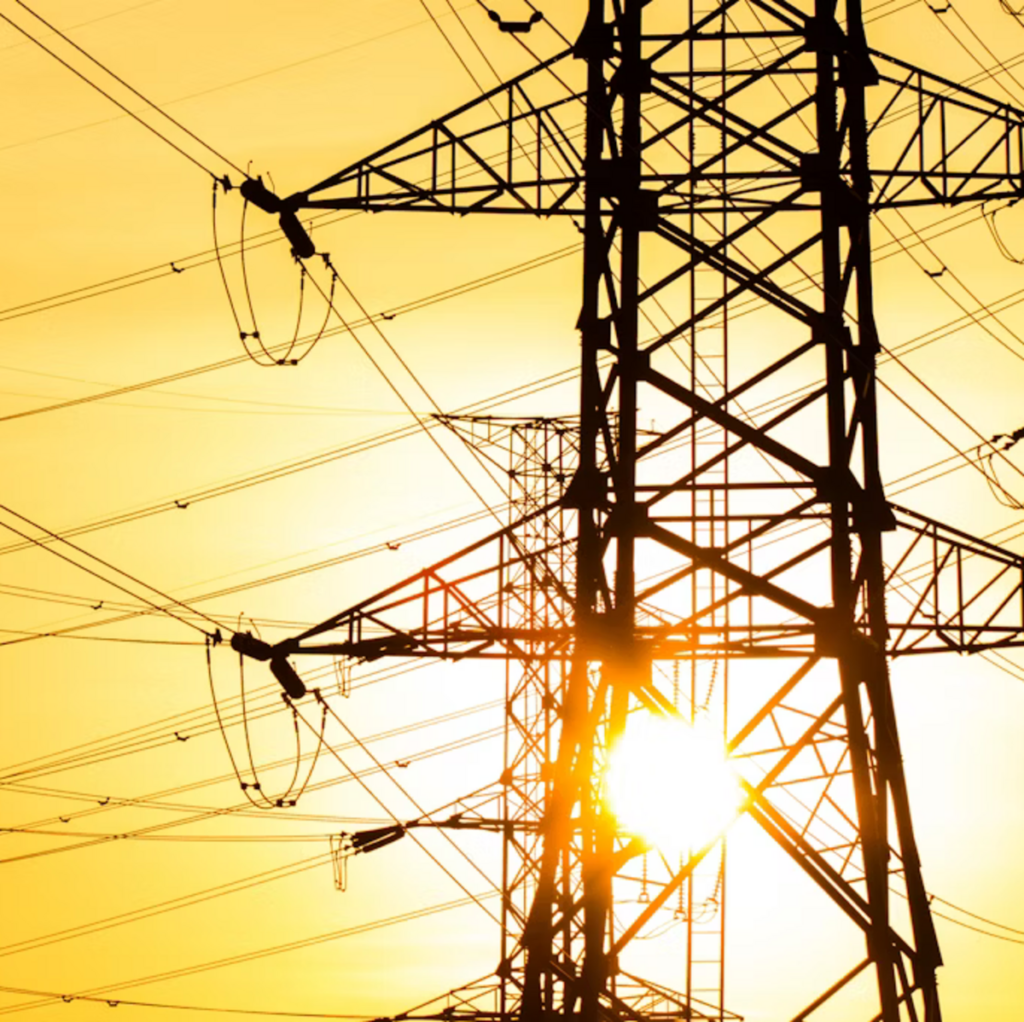
Officially, the government maintains that these outages are controlled, limited, and necessary.
Power sector authorities argue that reducing electricity supply during peak hours helps manage the system without putting additional financial strain on an already struggling energy sector. The idea is simple: if prices cannot be lowered due to rising costs, demand must be controlled instead.
But that explanation doesn’t fully match what people are experiencing.
Across multiple cities, consumers report daily outages stretching well beyond two hours — particularly during evenings, when electricity demand is at its highest. In some areas, these cuts are unannounced, making them even more disruptive.
For many families, this isn’t just inconvenience — it’s a return to uncertainty.
Why Not Lower Electricity Prices Instead?
At the heart of this issue is a question that keeps coming up: why not simply reduce electricity prices?
The answer lies in the economics of Pakistan’s power sector — and it’s not a simple one.
Electricity in Pakistan is expensive to produce. A large portion of it depends on imported fuels like LNG and oil, both of which have seen volatile pricing due to global tensions. Add to that the country’s ongoing circular debt crisis, and the system is already under financial strain.
Lowering prices would mean increasing subsidies — something the government can’t easily afford right now.
So instead, authorities are taking a different route: reduce supply to balance the system.
The Real Issue: A System Under Pressure
Pakistan’s energy system isn’t failing because there is no capacity to generate electricity. In fact, the country has enough installed capacity to meet demand.
The real problem is everything around that capacity.
- Fuel shortages limit how much power plants can actually generate
- Transmission losses reduce how much electricity reaches consumers
- Circular debt makes it harder to keep the system running efficiently
And then there’s the external factor — global instability.
The ongoing tensions affecting the Strait of Hormuz have disrupted fuel supply routes, making energy imports more expensive and less predictable.
When fuel becomes uncertain, electricity becomes uncertain too.
Demand Is Rising — And the Grid Is Struggling to Keep Up
Another key factor is demand.
Pakistan is heading into the summer season, when electricity usage naturally spikes. Air conditioners, fans, and cooling systems all increase pressure on the grid — especially during evening hours.
At the same time, the rise of solar power has created an unexpected imbalance.
During the day, solar panels reduce demand on the national grid. But once the sun sets, everyone switches back — creating a sudden surge in demand that the system struggles to handle.
The result? More pressure at night — and more outages.
The Return of “Silent Load Shedding”
What makes this situation different is how it is being presented.
Officials are avoiding the term “load shedding,” instead using phrases like “load management” or “demand adjustment.” But for most people, the experience is exactly the same.
Scheduled or unscheduled, two hours or more — electricity is still going out.
And for businesses, especially small ones, this has real consequences.
Shops lose customers. Factories slow down production. Freelancers and remote workers struggle to maintain productivity.
It’s not just about comfort anymore — it’s about income.
Public Frustration Is Growing
There is a growing sense of frustration among consumers.
Electricity prices in Pakistan are already among the highest in the region. Bills have gone up repeatedly over the past few years, often with the promise that these increases would stabilize the system.
Now, people are facing a double burden:
- High prices
- Reduced supply
That combination is difficult to justify for many.
One common complaint is simple: if people are paying more, why are they getting less?
Is This a Temporary Fix — Or a Long-Term Strategy?
Officials suggest that these power cuts are temporary — a short-term measure to manage current pressures.
There is hope that improved fuel supply, better water availability for hydropower, and stabilizing global markets could ease the situation in the coming weeks.
But experts are less optimistic.
They argue that without structural reforms — including better planning, reduced reliance on imported fuel, and improved grid efficiency — these kinds of measures will keep returning.
Every summer, every crisis, the system falls back on the same solution: cut supply.
The Bigger Picture: A Cycle That Keeps Repeating
This isn’t the first time Pakistan has faced this situation — and it likely won’t be the last.
The country’s energy challenges are deeply rooted:
- Expensive power generation contracts
- Dependence on imports
- Weak infrastructure
- Policy inconsistency
Over time, these issues have created a system where even small disruptions can have large consequences.
And when those disruptions happen — whether due to global conflicts, fuel shortages, or rising demand — the response remains the same.
Cut power. Manage demand. Wait for conditions to improve.
What Happens Next?
In the short term, consumers should expect the current situation to continue — especially as temperatures rise.
If fuel supplies stabilize and demand levels out, there may be some relief. But if conditions worsen, outages could increase further.
For now, the reality is clear:
Electricity is not just expensive — it’s uncertain.
And until deeper reforms are made, that uncertainty is likely to remain a part of everyday life.
External Sources
- The Express Tribune — Power shortfall and load management updates
- Pakistan Today — Government stance on electricity crisis
- Profit Pakistan Today — Energy sector analysis
- ProPakistani — Power supply and demand reports