





Pakistanis waking up to dark homes and disrupted nights are not imagining things. Load shedding is back — and for millions of households across the country, the situation on the ground is far worse than what official statements are letting on. Here is everything you need to know about why the lights are going out again, who is responsible, and when things might actually get better.
What the Government Is Saying — And What Is Actually Happening
The Power Division has acknowledged the crisis, but its official language on load shedding in Pakistan has been careful and measured in a way that does not quite match reality for most people.
“Hydropower production dropped by 1,991 megawatts during the night, contributing to a total shortfall of around 4,500MW at peak demand,” the Power Division spokesperson said, adding that electricity demand during peak hours was about 18,000MW. Pakistan Today
The government apologised to power consumers for higher than promised “load management” arising from lower water availability for power generation. In a statement, the Power Division said it was “apologising for the additional load management necessitated by reduced hydropower availability” and urged consumers to conserve electricity, particularly during nighttime hours. The Express Tribune
The official line is that load shedding is limited to nighttime hours only, with no shortfall during the day. But the numbers from the ground tell a very different story.
The overall power shortfall has reached 6,500 megawatts. Total electricity demand has surged to around 22,000MW, while generation remains limited to 15,400MW — a gap that has resulted in 8 to 16 hours of load shedding in various parts of the country. The Express Tribune
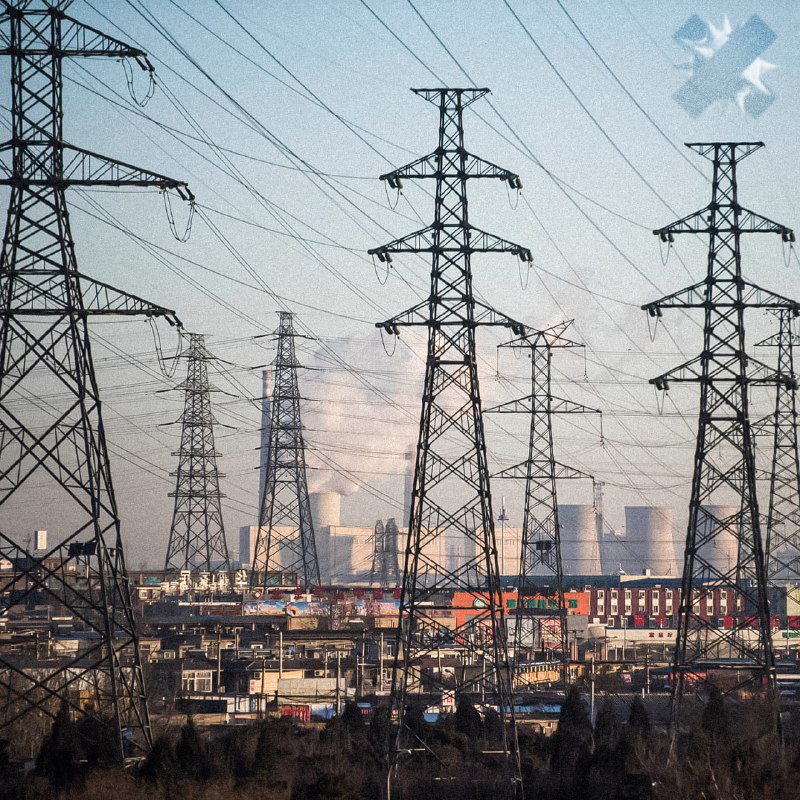
Why Is This Happening? The Three Root Causes
1. Hydropower Has Collapsed Overnight
This is the trigger that set everything off. Pakistan relies heavily on hydroelectric power, and a sudden drop in water releases from dams has caused a dramatic fall in hydel generation.
The ministry explained that the decline in hydel generation was caused by lower water releases from the country’s dams to the provinces, as water demand remains below last year’s level. The Indus River System Authority is currently releasing water from reservoirs in line with provincial demand, which has remained low due to recent rains and the ongoing crop harvesting season. ProPakistani
In simple terms — it rained recently, farmers do not need as much water right now, and so less water is flowing through the turbines that generate electricity.
2. No LNG Cargo Until May
Gas-fired thermal power plants, which provide a significant chunk of Pakistan’s electricity, are also running below capacity — and the reason is a supply problem that is not going away anytime soon.
A senior Petroleum Division official confirmed that gas supply to gas-fired power plants had been reduced sharply, saying: “Qatar has already told us that there will be no liquefied natural gas cargoes for Pakistan till May 9.” Pakistan Today
Officials attributed part of the generation shortfall to reduced gas supply to power plants, as LNG cargo arrivals remain suspended until early May, limiting fuel availability for thermal generation. Profit by Pakistan Today
3. The Middle East War Is Making Things Worse
There is a broader, often unspoken factor compounding Pakistan’s energy crisis — the ongoing US-Iran war and the disruption of shipping through the Strait of Hormuz.
Pakistan gets almost 90 percent of its energy requirements, including petroleum products and gas, from West Asian nations. Due to the Strait of Hormuz becoming a no-go area for commercial shipping, all supplies to Pakistan have been disrupted. Organiser Weekly
This is a factor that no amount of dam management or domestic planning can fix overnight. Until the regional conflict stabilises and sea lanes reopen, Pakistan’s fuel supply chain will remain under pressure.
The Reality on the Ground: City by City
What people are actually experiencing goes well beyond what officials describe as “limited load management.”
In Peshawar, load shedding of up to 20 hours daily has been reported. With rising temperatures during days and nights, most urban areas are facing 15 to 18 hours of outages, with some areas experiencing up to 20 hours without electricity. Organiser Weekly
In Lahore, unannounced outages continued overnight, with the Lahore Electric Supply Company region alone facing a 1,000MW shortfall. Consumers across urban centres such as Lahore, Faisalabad, and Kasur are experiencing cuts between three and eight hours, while rural areas face outages of up to 16 hours. Profit by Pakistan Today
In Multan, outages last 8 to 10 hours in urban areas and up to 12 hours in rural regions. An additional two hours of power cuts is imposed on high-loss feeders, pushing total outages to 14 hours. The shortfall in Multan alone exceeds 500 megawatts. Organiser Weekly
One resident from Muzaffargarh district put it bluntly: “We cannot even sleep at night due to the load shedding. We are experiencing 12 to 16 hours of load shedding almost daily,” he said, adding that the local utility office had offered no explanation. Pakistan Today
Solar Is Helping During the Day — But Making Nights Worse
There is one ironic twist in this crisis that is worth understanding. The rise in rooftop solar usage across Pakistan is actually reducing daytime demand on the grid — which sounds like good news, and it is. But it is also shifting the burden to evenings when the sun goes down.
The shortfall is linked to reduced RLNG-based generation and changing demand patterns due to increased use of solar power, which lowers daytime demand but raises reliance on the grid at night. Profit by Pakistan Today
Officials noted that electricity demand drops during the day due to solar usage, but load shedding intensifies in the evening hours. The Express Tribune
This means that even households with solar panels are feeling the pinch after sunset — because the national grid, which everyone relies on at night, simply does not have enough power to go around.
When Will It Get Better?
The government is cautiously optimistic about near-term relief, but the timeline depends on factors outside its direct control.
The situation is expected to improve over the next few days as water releases from dams are likely to increase, which would help raise hydel electricity generation. ProPakistani
“Improved availability of re-gasified liquefied natural gas is also expected to ease the power supply situation,” the Power Division spokesperson said. The Express Tribune
However, the LNG supply gap is not expected to ease until after May 9, which means at least a few more difficult weeks lie ahead for consumers. And with temperatures rising as Pakistan heads into summer, electricity demand is only going to climb — meaning the supply gap could widen further before it narrows.
With summer demand yet to peak, concerns are growing that the supply gap could widen further in the coming weeks. Profit by Pakistan Today
The Bigger Picture: A Crisis Years in the Making
This week’s load shedding is not an isolated event. It is the latest chapter in a long story of poor energy planning, expensive power purchase agreements, rising electricity prices, and an over-dependence on imported fuel.
To cover losses, successive governments have increased electricity prices and imposed a Rs3.23 per unit surcharge to service debts taken for power distribution companies, pushing energy prices to the highest levels in the region. The prolonged load shedding has started disrupting daily life and raising fresh questions about power sector management, planning failures, and the transparency of official claims. The Express Tribune
Pakistan has the installed capacity to meet demand. The problem is not a lack of power plants — it is a broken system that cannot reliably fuel them, distribute what they generate, or afford the cost of running them at full capacity.
Until that system is fixed, every summer and every unexpected disruption will bring Pakistan back to the same place it finds itself today — in the dark, waiting for the lights to come back on.
External Sources: